- Navigating dementia, menopause, and sudden loss: a personal look at grief in midlife.
- A personal essay on grief, dementia caregiving, menopause, and the loss of both my sister and my mother within a short timeframe
I grew up in an environment where we didn’t talk about grief in any meaningful way. It was all very neat and tidy: you get the news, “Aunt Helen died,” you go to the funeral, make polite conversation with relatives you barely know, and eat casseroles until it’s time to go. Then you’re expected to get over it and get on with your life.
Grief should last longer than Cousin Ginny’s funeral potatoes

No one talks about the versions of grief that don’t have a start date or an end point. No one sends a card for the years your mother forgets your name but still remembers how to set the table. Turns out, I’ve been grieving for years and didn’t even know it.
My mother’s dementia diagnosis in 2016 was the beginning. I knew exactly what was coming, because we’d been here before.
Nana, my mother’s mother, went through the same decline. It began with small things, like forgetting where her keys were or sending birthday cards. Eventually, she was setting the table for two and fixing an extra plate, even though my grandfather had been dead since 1986.
With every visit, my mother slipped a little further away. My mother, the fierce, funny and independent woman, who had been the linchpin of our family, was fading. I carried that anticipatory grief until the day she died.
Then, 2020 happened. I was exhausted. I’d had a seven‑year relationship end just before COVID-19 put us all on lockdown. I was also adjusting to a new job, my ex-partner and I were still living together, and we were both working remotely. It was July before I could move into a place of my own. I was finally starting to feel steady by the time the new year came around. Then the wild mood swings and erratic menstrual cycles began. I figured it was probably stress, but consulted my doctor anyway. After a round of bloodwork, just three weeks shy of turning 50, my doctor said I was in full menopause and needed hormone replacement therapy.
I never wanted children; my family was far too dysfunctional for me to feel good about perpetuating the bloodline, but losing the ability to have them sent me into a spiral. I cried for hours. It felt like another door closing, another version of myself disappearing. My body was mimicking everything else in my life that had begun to fall away.
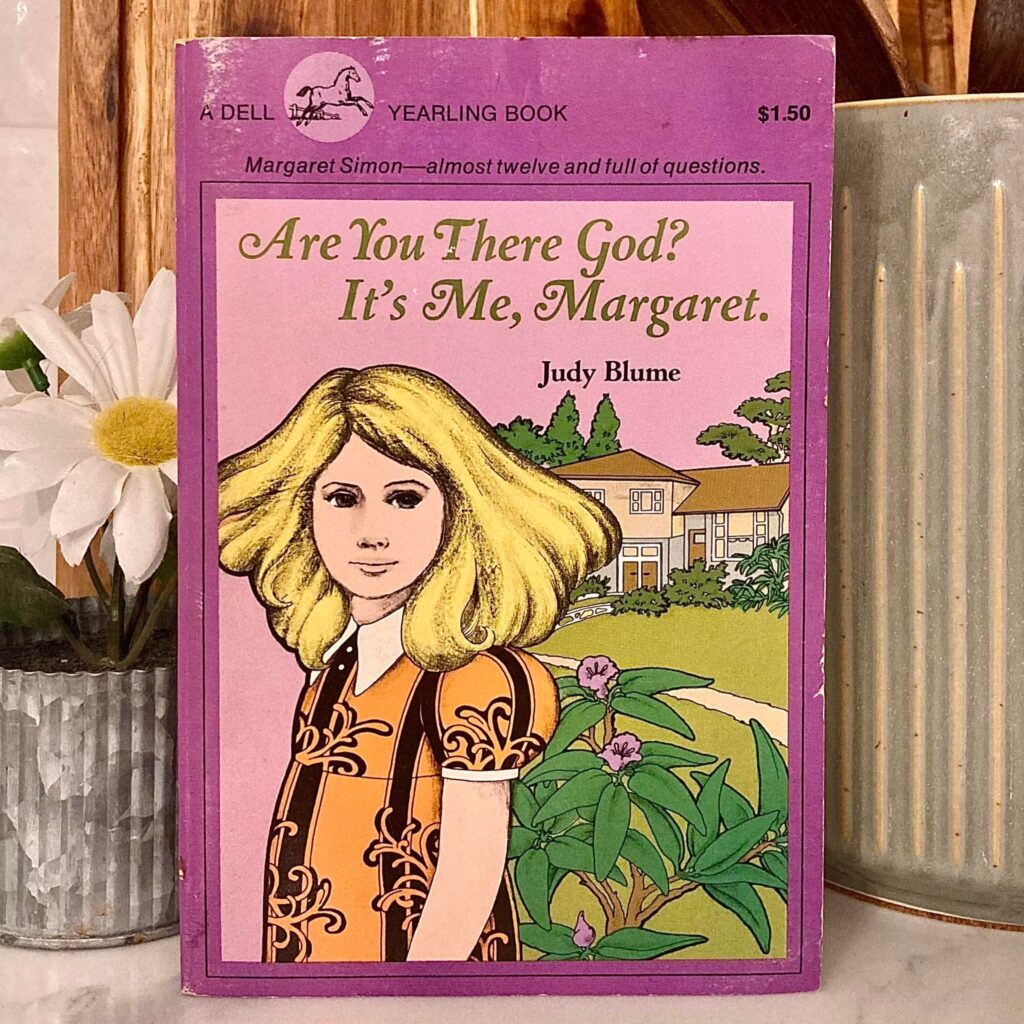
I think it’s cruel that Judy Blume didn’t write a follow-up to “Are You There, God? It’s Me, Margaret,” to usher Gen-X women into our croning years with something like, “Are You There, Margaret? It’s Me, Menopause.” But there I was, no handbook, my mother deep in dementia, and my sister as my only source of comfort. She’d gone through early menopause after a partial hysterectomy, so she understood. Years of strain between us had softened as we cared for our mother together. That night, we laughed about chin hairs and hormonal acne as only sisters would. I didn’t know it would be our last conversation.
A week later, my sister died suddenly. I remember the early morning phone call vividly. I didn’t recognize the number, but the 478 area code felt like a stomach punch. I was in my home office, still working remotely because of COVID, answering emails and pretending the world wasn’t a giant dumpster fire. I had texted her for two days, called twice, told myself she was sleeping off what she thought was a stomach bug. We weren’t in the habit of talking every day, but this silence felt heavier. Ominous.
My gut feeling was confirmed by the stranger on the phone: “Your sister is in the ICU at Houston Medical Center. You need to get to Warner Robins.” I wrote down the number, stared at it and waited for my hands to stop shaking. When I finally called, the ICU doctor told me she’d been unresponsive on arrival.
Sepsis. A stroke. Brain‑dead. Words that rearranged the shape of my life in seconds.
I remember thinking this can’t be happening, even as I knew it already had.
What followed was two years of delayed grief. My sister had become my confidant, but she was also our mother’s full‑time caregiver. When I should have been mourning her, I was scrambling to find a nursing home that would accept a dementia patient during a pandemic, when most facilities were locked down, understaffed, and already full. It took two months of tearful phone calls, begging for a space, calling in favors, and daily panic attacks before my brother and I found Mom’s new home.
By 2023, there was a routine again. Even though the nursing home was two hours away, I visited on weekends and felt stable enough to start a graduate program. Less than a month into the semester, the nursing home called: Mom had been admitted to the ICU with dehydration and sepsis.
Here we go again
The dread hit instantly; the same cold, sinking feeling I’d had when my sister was hospitalized. Mom survived the ICU, had her gallbladder removed, and returned to the nursing home. For two weeks, she thrived, socializing with the other residents like her old self. Then she took to her bed and stopped eating and drinking.
On October 12, 2023, at 6:29 p.m. I received another phone call. “I hate to tell you like this…” began the shift nurse, but I already knew the rest: “Your mother expired at 6 p.m. this evening. I am so sorry for your loss.” I hung up the phone, called my brother and then cried.
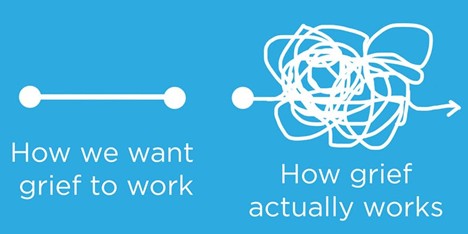
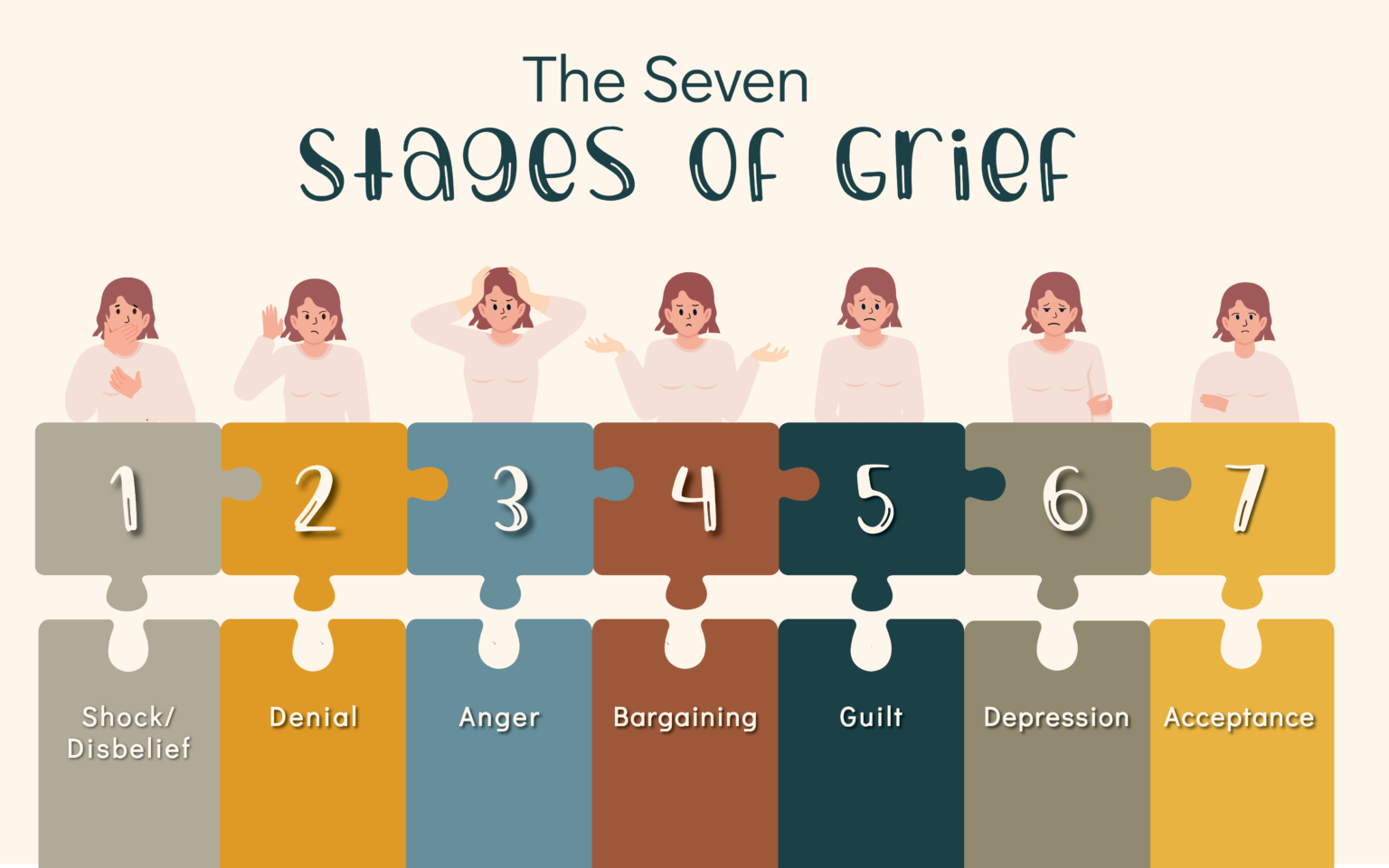
I still struggle with the weight of cumulative grief. It hasn’t faded or resolved or followed any of the tidy stages we like to pretend exist. It’s not a linear process, like the flowchart you might see when you Google “stages of grief.” It’s more of a messy Jackson Pollock painting, splattered, chaotic, impossible to map. Or, on a good day, maybe something closer to a bright, swirling Vasily Kandinsky.
Lessons Learned
Some people seem to push through grief quickly and keep moving forward, while others fall apart and wallow in sadness for months or years. I’m a combination of both. There are good days and bad. There’s no “normal” setting, and that’s OK.
It’s also OK to ask for help, even when you don’t want to. Be it from your friends and family, or seeking therapy from a professional. I did both and wouldn’t be functional now if I hadn’t sucked up my pride and admitted I can’t do everything alone.
There’s no “one size fits all” for any of this. Grief, menopause, becoming a caregiver, how the eldercare system works, the guilt you feel while wondering if you’re doing it right and wondering if you made the best decision, everyone is a little different.
The mother-daughter bond never leaves me, and I still have times when I just want my mama. On particularly bad days, I can still hear her voice in my head telling me, “We’ll get through it. We always do.”
In the end, I’m learning that there’s no real end to grief. It comes in waves, never following a schedule. Some days I move with the ocean and float; other days I let the waves pull me under until I think I’m going to drown—and both are part of the process. What matters is that I keep swimming, carrying my mother’s voice with me as both a comfort and a compass.